
Hassabis moves AGI arrival estimate to two to three years
 1 source · The Decoder
- Boom: Hassabis now predicts AGI within two to three years, down from three to five
- Neutral: The revised estimate was reported on October 21, 2026
- Neutral: Hassabis has shortened his AGI timeline multiple times in recent years
The story in full
Demis Hassabis, Nobel laureate and former CEO of Google DeepMind, stated on 2026-10-21 that he now expects artificial general intelligence to arrive within two to three years, a reduction from his earlier estimate of three to five years made earlier in 2026.
Hassabis has repeatedly revised his AGI timeline upward over recent years. The updated estimate places AGI arrival as early as 2028 or 2029, based on his current assessment of progress at DeepMind.
Analysis
354 wordsOn October 21, 2026, Demis Hassabis, the Nobel laureate and former CEO of Google DeepMind, stated that he now expects artificial general intelligence to arrive within two to three years. That estimate is shorter than the three to five year window he had given earlier in 2026, placing a possible AGI arrival as early as 2028 or 2029. The revision is notable in part because it is not an isolated shift: Hassabis has shortened his predicted timeline multiple times over recent years, with each update compressing the window further.
The significance of this announcement lies less in any single number and more in the pattern it represents. When the person leading one of the world's most prominent AI research organizations repeatedly moves his own estimate forward, it signals that internal assessments of progress are outpacing earlier projections. What remains genuinely in dispute is what Hassabis, or anyone else in the field, means by AGI. The term carries different definitions across research communities, and an arrival date is only as meaningful as the definition attached to it. Whether two to three years refers to a system that matches human performance across a broad range of cognitive tasks, or something narrower, is not specified in his public statement.
No reactions from the Pro-AI, Anti-AI, or Middle Ground camps have been published yet in response to this specific announcement. Typically, the Pro-AI camp would treat a shortened timeline from a credible insider as validation that the field is moving faster than skeptics allow. The Anti-AI camp would likely argue that repeated revisions from industry leaders reflect hype and motivated reasoning rather than rigorous forecasting. The Middle Ground camp would probably call for more precise definitions of AGI before treating any timeline as meaningful, and would note that Hassabis has strong institutional incentives to project confidence.
The clearest thing to watch going forward is whether other senior researchers at DeepMind or peer organizations begin aligning their own public estimates with Hassabis's revised window, and whether any formal benchmarks or milestones are attached to the prediction that could make the two to three year claim testable rather than rhetorical.
Where do you stand?
Add your take
0 reader votesSign in with Google to pick a side and post. Your vote moves the story's Doom / Boom score.
Sources
1 article from 1 outletRelated Splits
All stories →
Google brings Gemini conversational navigation to Apple CarPlay
Google launched conversational Gemini navigation for Apple CarPlay users on October 21, 2026, making it available first to US drivers with a global rollout also underway....

OpenAI and Google AI models find critical PHP flaw affecting millions
OpenAI's GPT-5.6 Sol discovered a critical vulnerability in PHP as part of OpenAI's Patch the Planet initiative, announced on October 21, 2026. Security firm Wiz independently...
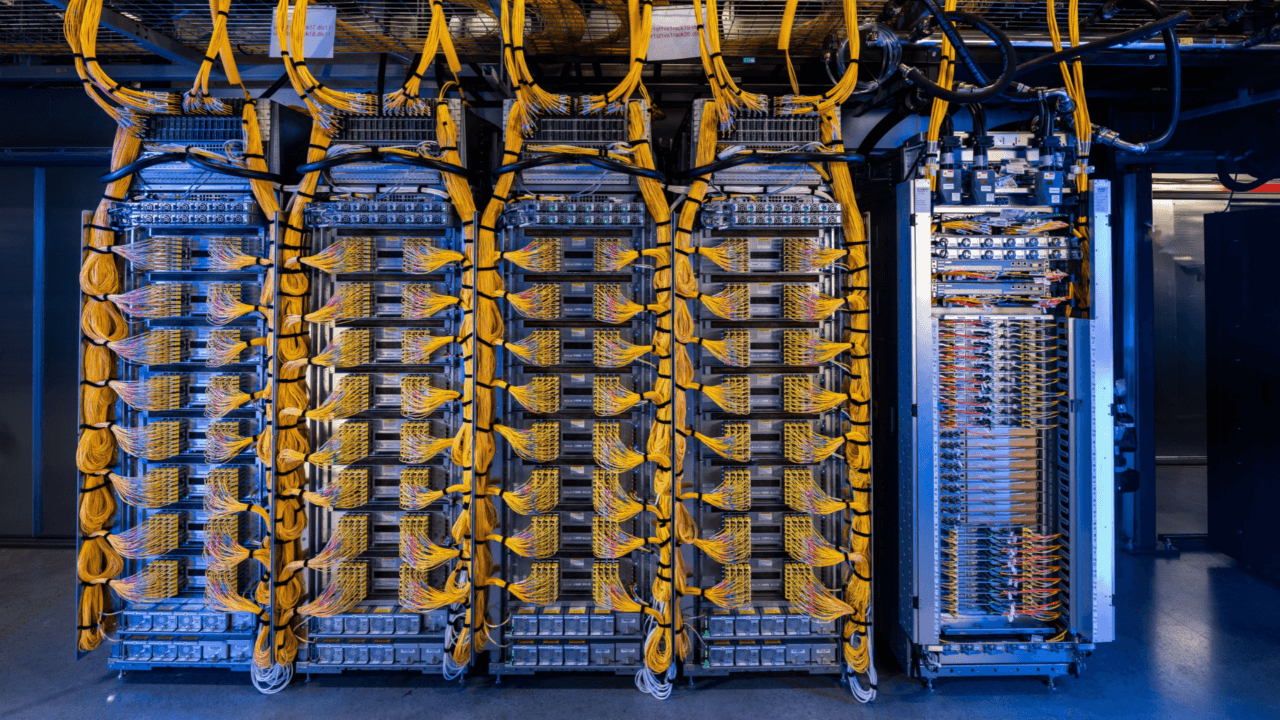
Google Cloud and NVIDIA announce Vera Rubin A5X instances
Google Cloud and NVIDIA announced on October 21, 2026 the general availability of NVIDIA Vera Rubin infrastructure on Google Cloud, branded as A5X instances. Full availability...